
Synopsis
In today’s rapidly changing world, parents often face a dilemma: how to prepare their children for a competitive future without losing their cultural roots. At Vardhman Podar Learn School, we solve this through a “Nayee Approach” that focuses on raising a global citizen who remains deeply connected to traditional ethics. We believe that moral values in school are just as important as mathematical equations or scientific theories. Our curriculum is designed to foster value-based education, ensuring that as students gain digital fluency, they also develop a strong character built on integrity and respect. This holistic growth model prepares the youth of Seoni to navigate international environments with ease while carrying the warmth of Indian hospitality. We provide a range of parenting tips and collaborative activities to ensure that the home and school environments are in perfect harmony. This blog explores how our 360-degree approach balances modern technology with culture and education, proving that a child can be “future-ready” while staying “culture-steady.” Read on to discover how VPLS is nurturing a generation that is not only smart and capable but also compassionate and ethically grounded, ready to lead the world with a heart full of values.
Table of Contents
Defining the Global Citizen in the 21st Century
The Foundation: Moral Values in School
Value-Based Education: Beyond the Textbooks
Balancing Modern Technology with Traditional Culture
Nurturing Holistic Growth through Character Building
Culture and Education: The VPLS Way of Learning
Essential Parenting Tips for Cultivating Values at Home
VPLS Group: A Legacy of Excellence and Ethics
Defining the Global Citizen in the 21st Century
A global citizen is someone who understands the interconnectedness of the world and feels a sense of responsibility toward the global community. At Vardhman Podar Learn School, we believe that being world-ready involves more than just speaking fluent English or mastering technology; it requires empathy, tolerance, and an open mind. We teach our students to respect diversity and appreciate different perspectives, which are vital skills for success in a globalized economy. This mindset allows them to collaborate with people from various backgrounds and find solutions to global challenges. However, being global doesn’t mean forgetting where you come from. We ensure our students are proud of their identity and can represent their heritage with dignity on any international platform. By fostering this balanced perspective, we prepare our students to be leaders who are both competent and culturally sensitive.
The Foundation: Moral Values in School
The school environment serves as the first social circle for a child, making it the ideal place to instill moral values in school . At VPLS, we prioritize honesty, kindness, and respect in our daily interactions, creating a culture where character is celebrated alongside academic achievement. We believe that a child’s ethical compass is formed through observation and practice, which is why our staff leads by example. Whether it is through stories of great leaders or daily reflections, we constantly reinforce the importance of doing the right thing. These values act as a shield, protecting our students from negative influences and helping them make sound decisions in difficult situations. A strong moral foundation ensures that the intelligence our students gain is used for the betterment of society. Ultimately, our goal is to produce graduates who are known not just for their grades, but for their integrity.
Value-Based Education: Beyond the Textbooks
While academic excellence is a priority, we believe that value-based education provides the true meaning to a student’s journey. Education without values can lead to cleverness without conscience, which is why we integrate ethical discussions into every subject. In science, we discuss the ethics of innovation; in history, we learn from the mistakes of the past; and in literature, we explore human emotions and empathy. This approach helps students understand that every action has a consequence and that they have a role to play in creating a just world. We encourage our learners to be “upstanders” who speak out against unfairness and support their peers. By making values a part of the academic discourse, we ensure that they are not seen as abstract concepts but as practical guides for living. This holistic integration prepares them for the complexities of adult life where technical skill must be balanced with ethical judgment.
Balancing Modern Technology with Traditional Culture
In the age of AI and digital distractions, staying connected to one’s roots is a challenge that we address through our “Nayee Approach.” We leverage modern technology to enhance learning while using culture and education to keep our students grounded. Our students might use high-tech tablets to research Indian festivals or use coding to create digital stories based on local folklore. This fusion ensures that technology is used as a tool to celebrate and preserve our culture rather than replace it. We celebrate traditional festivals with the same enthusiasm as we host tech fairs, teaching children that one can be both high-tech and high-touch. This balance prevents “culture shock” when they move to bigger cities, as they carry their identity as a source of strength. By harmonizing these two worlds, we give our students a unique competitive advantage in a world that values both innovation and authenticity.
Nurturing Holistic Growth through Character Building
Holistic growth is the primary objective of our 360-degree development model, where we focus on the mind, body, and spirit equally. Character building is not a one-time lesson but a continuous process that happens in the playground, the lab, and the cafeteria. We encourage teamwork in sports to teach cooperation, and group projects in class to teach patience and shared responsibility. By providing a safe environment to fail and learn, we build resilience and grit in our students. We also emphasize the importance of self-discipline and time management, which are essential for personal and professional success. Our students are taught to take pride in their work and to always strive for excellence while staying humble. This comprehensive focus ensures that every VPLS student grows into a well-rounded adult who is capable of handling life’s ups and downs with grace.
Culture and Education: The VPLS Way of Learning
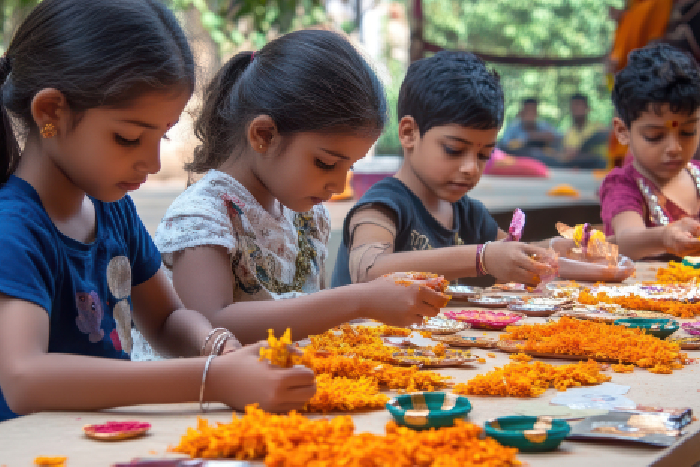
The VPLS way of learning is rooted in the belief that culture and education are two sides of the same coin. We integrate local traditions and values into our school activities to ensure that students remain proud of their Seoni heritage. Whether it is through local art forms, music, or community service projects, we connect our students to the heartbeat of their society. This connection fosters a sense of gratitude and a desire to give back to their community as they grow older. We believe that a student who understands their own culture is better equipped to respect and understand the cultures of others. Our “Sanskar” sessions are designed to be interactive and engaging, making traditional wisdom relevant to the modern world. This approach ensures that our students are not just globally competent but also socially responsible citizens who value their roots.
Essential Parenting Tips for Cultivating Values at Home
We believe that education is a partnership between the school and the home, which is why we offer regular parenting tips to our VPLS family. Cultivating values begins with open communication; we encourage parents to share stories of their family history and the values that helped them succeed. Setting a positive example at home is the most powerful way to teach kindness and honesty to a child. We suggest involving children in household responsibilities to build a sense of service and accountability within the family unit. Limiting screen time and encouraging family discussions about current events can also help children develop critical thinking and empathy. By working together, we ensure that the lessons learned at school are reinforced at home, creating a consistent environment for the child’s growth. This synergy between parents and teachers is what makes the VPLS community a true family.
VPLS Group: A Legacy of Excellence and Ethics
The Vardhman Podar Learn School Group is a name trusted by thousands of families for its unwavering commitment to quality and ethics. Our brand stands as a symbol of “Nayee Generation – Nayee Approach,” where we blend century-old educational wisdom with modern innovation. Our USPs include our exclusive Growth Gears program, world-class infrastructure, and a relentless focus on holistic growth. We offer a comprehensive educational journey that prepares children for the challenges of the future while ensuring they remain morally upright. Our services are designed to cater to the 360-degree needs of a student, from high-tech STEM labs to traditional value-based sessions. By choosing VPLS, you are partnering with a legacy that values character as much as intelligence. We are dedicated to nurturing leaders who are not just successful in their careers but are also beacons of light in their communities.
FAQs
How can moral values in school be integrated into a high-tech modern curriculum?
Integrating ethics into a modern curriculum involves discussing the social and moral implications of every technological advancement during classroom lessons. For instance, while learning about digital tools, students can be taught about digital citizenship, online kindness, and the importance of privacy. Teachers can use case studies to help students understand how technology can be used for both good and bad, encouraging them to choose the ethical path. By making values a part of the conversation rather than a separate lecture, schools ensure that students see them as relevant to their daily lives. This approach helps in building a “conscious innovator” who uses tech responsibly.
What are some effective parenting tips for raising an empathetic child in a competitive world?
The most effective way to raise an empathetic child is to model empathy in your daily interactions with them and with others in the community. Encourage your child to volunteer for local causes or help neighbors, showing them the joy of serving others without expecting anything in return. Engage in regular conversations about feelings and perspectives, helping them understand that everyone has their own struggles and stories. Avoid over-emphasizing grades and instead celebrate acts of kindness and cooperation as major achievements. Finally, provide them with books and stories that feature diverse characters and situations to broaden their emotional and social horizons.
Why is value-based education considered a long-term investment for a student's career?
In the professional world, technical skills may get a person an interview, but soft skills and ethics are what sustain a long-term career. Value-based education builds the integrity and reliability that employers look for in future leaders and high-level managers. It helps students navigate complex workplace dilemmas with a clear sense of right and wrong, preventing ethical lapses that can ruin reputations. Furthermore, a strong value system fosters better teamwork and conflict resolution skills, which are essential for any collaborative environment. Ultimately, an ethically grounded professional earns the trust and respect of their peers, which is the most valuable asset in any industry.
How does holistic growth differ from traditional academic-focused education?
Traditional education often prioritizes test scores and rote memorization, sometimes at the expense of a student’s physical and emotional well-being. Holistic growth, however, looks at the child as a whole, focusing on their physical health, emotional intelligence, social skills, and creative abilities alongside academics. This approach ensures that a student is not just “book smart” but also “life smart,” capable of handling stress and building meaningful relationships. It encourages students to explore multiple interests, which helps in identifying their true passions and natural talents earlier in life. By nurturing the mind, body, and soul, holistic education produces well-adjusted individuals who are prepared for the multi-faceted challenges of adulthood.
In what ways does culture and education work together to prevent "culture shock" in big cities?
When a child is educated with a strong sense of their own culture, it serves as an anchor that provides them with stability in unfamiliar environments. Understanding one’s own traditions helps in developing a secure identity, which makes a student less likely to feel overwhelmed by different lifestyle choices in big cities. Education that includes cultural awareness also teaches students to respect other cultures, making it easier for them to adapt and integrate into diverse urban settings. It allows them to view cultural differences as an opportunity for learning rather than a source of fear or confusion. Essentially, a culturally rooted education gives them the confidence to be themselves while appreciating the world’s vast diversity.